
By: Juanqi (Irena) Wang
As food prices continue to increase, many Middlesex and London residents struggle to afford nutritional meals. Despite the challenges, there are several ways to stretch your budget and still include healthy food.
Fresh Produce and Essentials on a Budget
One of the most efficient strategies to save money is to focus on inexpensive staples such as eggs and fresh produce. Farmers’ markets frequently offer cheaper rates near the end of the day. For example, at the Western Fair District Market, you may get fresh fruits and vegetables at a discount in the last hour of operation. Grocery stores routinely discount day-old produce, baked goods, and dairy items, which are still safe and nutritious. Even meats are discounted, especially if you shop early in the morning.

Best Before Dates and Discounted Food Apps
Best-before is NOT an expiry date. Understanding the difference between best-before and expiry dates can help reduce food waste. Foods with best-before dates are still safe to eat after that date, although their freshness may deteriorate. Expiry dates are used on very few foods such as infant formula, medications, etc. Apps like Too Good To Go allow you to buy food nearing its best-before date at a discounted price, helping you save money while limiting waste. Many offers, like baked goods, usually come in larger quantities- perfect for freezing and enjoying over time. Make sure to check out what’s available near you, as plenty of different offerings vary by location.
Maximize Savings with Smart Shopping
Consider these additional tips for shopping on a budget:
- Use shopping apps: like Flipp and Checkout 51 to find weekly deals and earn cashback.
- Buy in bulk: Staples like rice, beans, and oats are cheaper when purchased in larger quantities.
- Plan meals around sales: Meal planning based on store flyers can help you save money while reducing food waste. Try using meal-planning templates like this one.
Utilize Community Resources
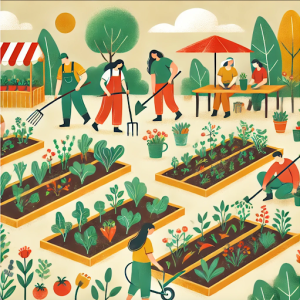
The London Good Food Box is an excellent method to get fresh, low-cost produce from local suppliers. Community gardens in Middlesex London provide opportunities to cultivate your own food. These efforts contribute to food security, particularly for low-income households.
Focus on Affordable, Nutrient-Dense Foods
Incorporating more plant-based meals, such as beans, lentils, and seasonal vegetables, can help you eat better while saving money. These nutrient-dense solutions are cost-effective and may reduce the risk of chronic diseases like diabetes and heart disease.

Reducing Food Waste
Meal planning and using leftovers correctly can help you save time and money. To extend the life of food, limit portion sizes and freeze any excess. For helpful advice on reducing food waste and getting the most out of your shopping, check out these food waste education resources here.
Eating Well on a Budget: Final Thoughts
While rising food costs can feel overwhelming, these small changes can make a difference in helping you eat well on a budget. From finding deals on fresh produce to exploring community resources, there are ways to make nutritious meals more accessible. Remember, every step you take—meal planning, reducing food waste, or supporting local markets—helps stretch your dollar and supports a more sustainable, resilient food system. Have your tips for budget-friendly shopping? Share them with us and help our community thrive together!”