Vegetables and fruit are at the top of the list of most wasted foods in Canada, according the Second Harvest. Fresh produce is perishable but how you store it makes big difference in how long it will last. The Home Storage Guide for Fresh Fruit and Vegetables provides detailed information.
Here are some tips to help you maximize the life of your vegetables and fruit and reduce waste.
1. Wash just before eating
Wash most vegetables and fruit just before eating. Washing makes them spoil faster. Leafy greens can be washed ahead of time if they are dried properly. Wrap in a clean towel or paper towel.
2. Ripen first, then refrigerate
Many fruit such as pears, peaches, plums, melons and avocados can be left at room temperature until they are ripe, and then put in the fridge. Store all cut vegetables and fruit in the fridge.
3. Beware of ethylene gas
Some fruits like apples, bananas, tomatoes, and avocados give off a gas called ethylene which speeds up the ripening and spoilage of other produce. Store most vegetables and fruit separately on the counter or in the fridge.
4. Store wilt-prone veggies properly
Store vegetables that will wilt (leafy greens, cucumbers, root vegetables, peppers) in bags in the vegetable drawer in the fridge.
5. Keep pantry staples cool and separate
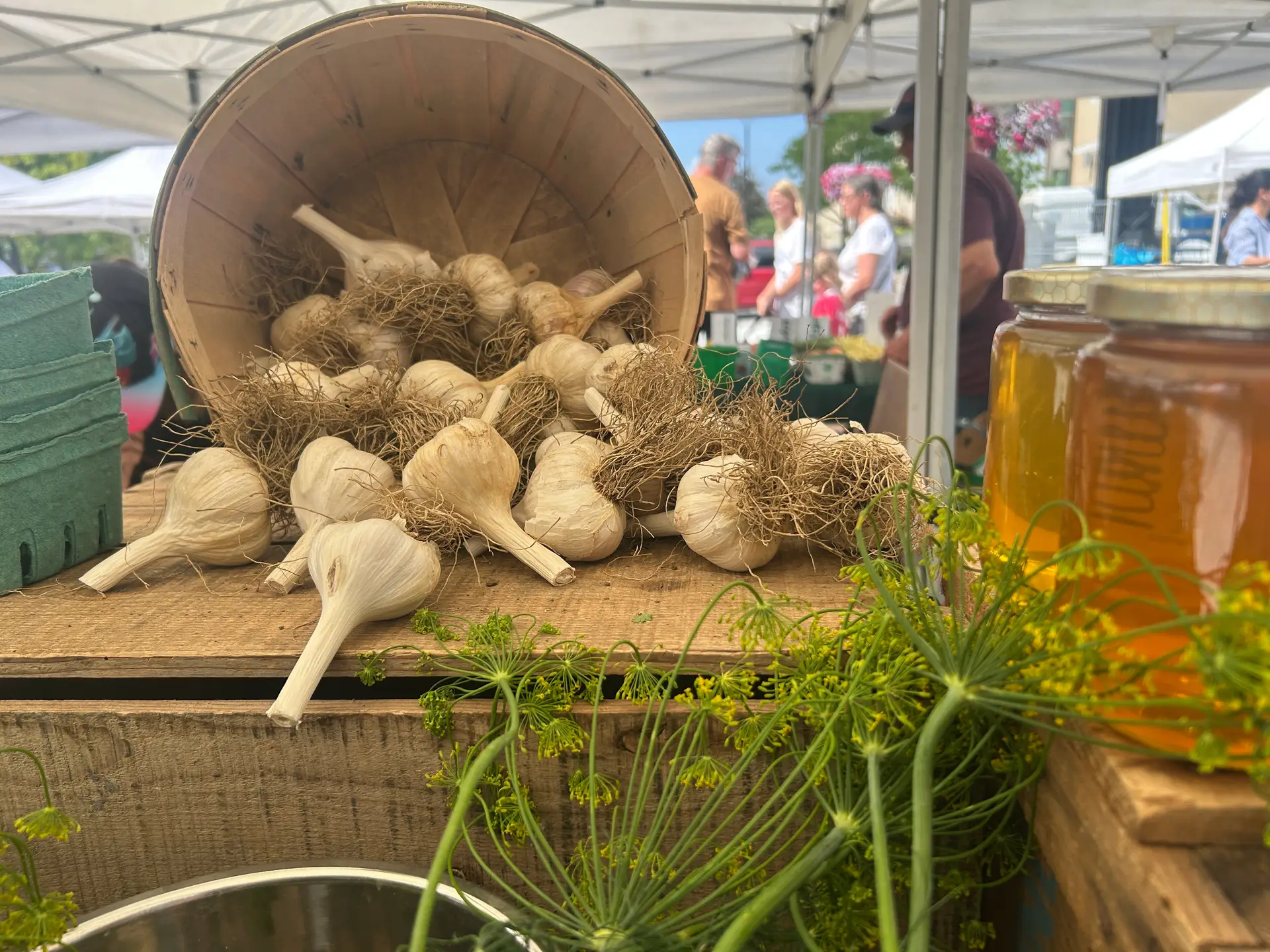
Store potatoes, sweet potatoes, garlic, and onions in cool, dry, dark cupboards, not the fridge. Also, keep potatoes and onions apart from each other. Store green onions and cut onions in plastic in the fridge to avoid spoiling other foods.
6. Revive wilted produce
Many vegetables such as leafy greens, herbs, celery, cucumbers and carrots can be rehydrated in cold or ice water if they wilt.
7. Handle fresh herbs with care
Store your fresh herbs (except basil) in the fridge for best results. Wrap in paper towel unwashed and put it in a plastic bag or store in the fridge in water like you would flowers in a vase.
8. Freeze it before it spoils
Freeze fruits and vegetables if you can’t eat them before they spoil. This freezing guide provides detailed information about how to prepare your vegetables and fruit before freezing such as blanching instructions for vegetables..
9. Store other foods safely
Most prepared foods should be put in the fridge within 2 hours of preparation.
Keep bread at room temperature for several days or freeze it to keep it longer. Stale or frozen (grate it!) bread can make great bread crumps.
Try one of these 10 smart storage strategies to keep your food fresher for longer—whether it’s rehydrating wilted greens, storing cut fruit in the fridge, or rescuing veggies in a soup
Thank you for being part of the Waste Less, Save More Challenge!
We’ve loved seeing your efforts over the past four weeks. Let’s keep the momentum going—every little step counts toward a less wasteful food system.