
Located just steps from the Forks of the Thames along the shores of the Deshkan Ziibi (Thames River), Kensington Village is a vibrant example of how food growing can strengthen both people and community.
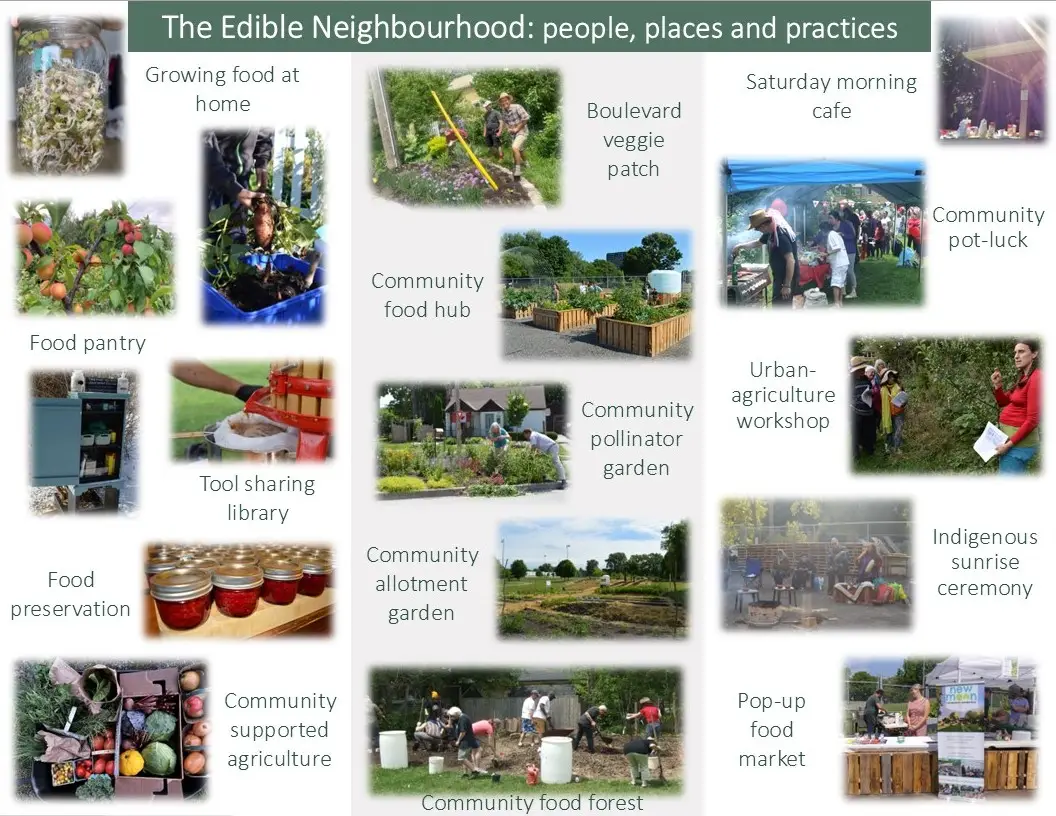
Founded in the 1870s as one of London’s first subdivisions, Kensington Village has deep agricultural roots. Before colonization, Indigenous peoples, including the Chippewas of the Thames and the Chonnonton, grew the Three Sisters (corn, beans and squash) and cared for rich food forests of chestnut, oak, papaw, plums and berries.
Today, Kensington Village is an edible neighbourhood. Gardens fill front and back yards as well as boulevards. Community spaces like Wood Street Park Food Forest, West Lion’s Park Food Forest, Petersville Community Garden and the Cavendish Community Food Hub provide fresh produce to residents and local agencies such as Sanctuary London, Indwell, ANOVA and the London Food Bank.
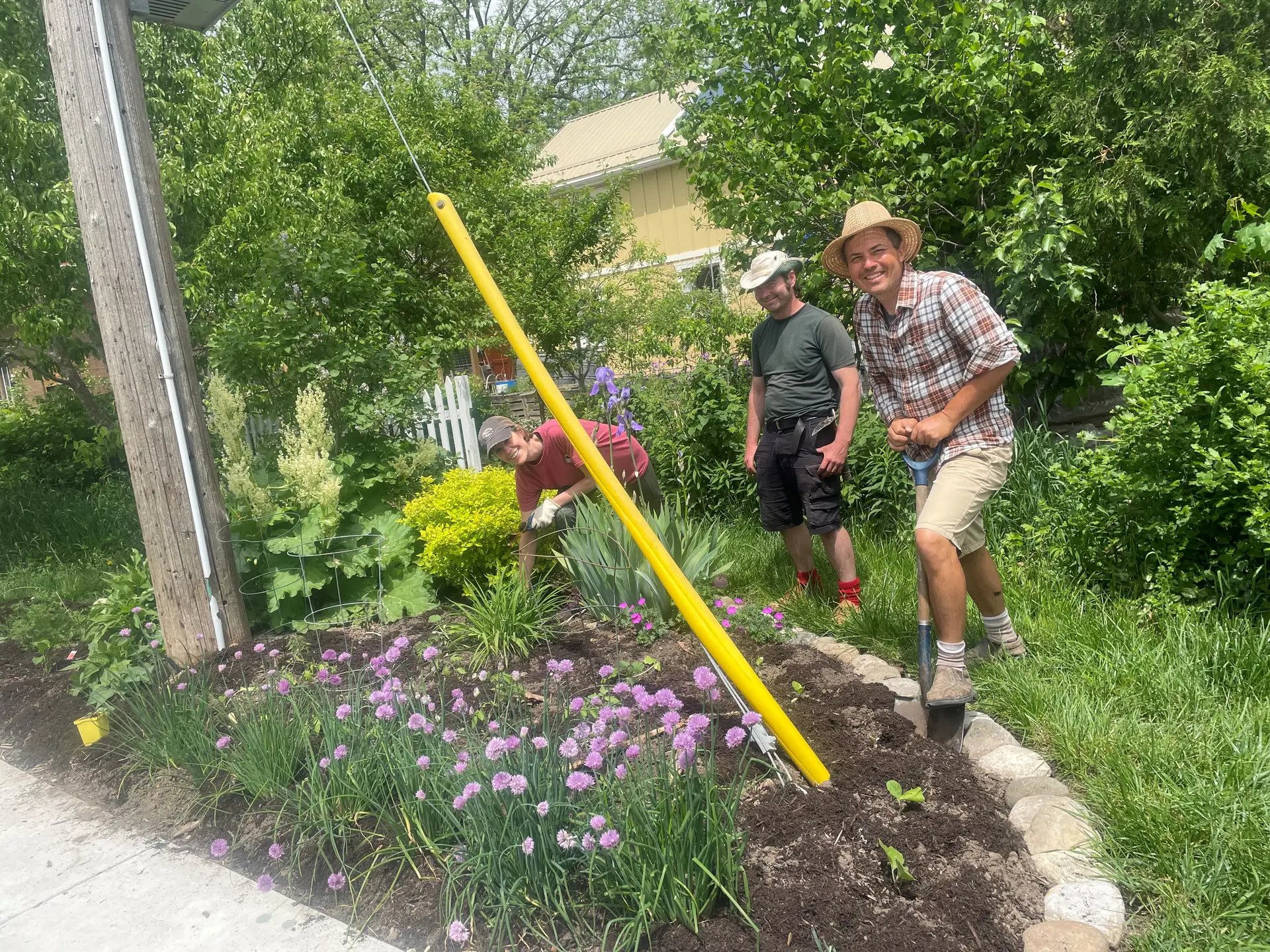
One key project is the KEVA Boulevard Veggie Patch, started in 2021 with support from the Urban League of London’s Climate Action Fund. Using the City of Victoria’s boulevard gardening guidelines, residents turned grassy strips into productive gardens to help those in need.
Food growing here is also seen as a form of climate action. In 2021, the community held a climate discussion encouraging residents to track their carbon footprints and take steps toward sustainability.
Urban agriculture has brought benefits beyond food. Since the creation of the Wood Street Park Food Forest in 2015, neighbours have come together to improve safety, restore green spaces and celebrate community events. Annual gatherings include shared meals, Canada Day festivities, harvest parties, Indigenous sunrise ceremonies, summer concerts and coffee socials. In 2017, residents built a gazebo in Wood Street Park with City of London SPARKS! funding. Little Free Libraries and a community message board keep neighbours connected.
This strong sense of community proved vital in 2018 when flooding affected parts of the neighbourhood. Residents quickly mobilized to support those impacted, drawing on years of cooperation.
Kensington’s edible spaces are open to all. Boulevard veggie patches, orchards and food forests are harvested by neighbours, visitors and volunteers who share the food through local programs. A community-owned cider press and event tents support gatherings and workshops, emphasizing shared resources and collective care.
With limited access to fresh food within 1.5 kilometres, Kensington Village is steadily transforming from a food desert to a food oasis. The neighbourhood focuses on growing nutritious, culturally appropriate food while promoting environmental stewardship, climate resilience and neighbourly support.
Here, the soil holds more than seeds—it holds a history of food, connection and care. With every garden patch and shared harvest, Kensington Village shows how urban agriculture can feed bodies, build friendships and grow a sustainable future.